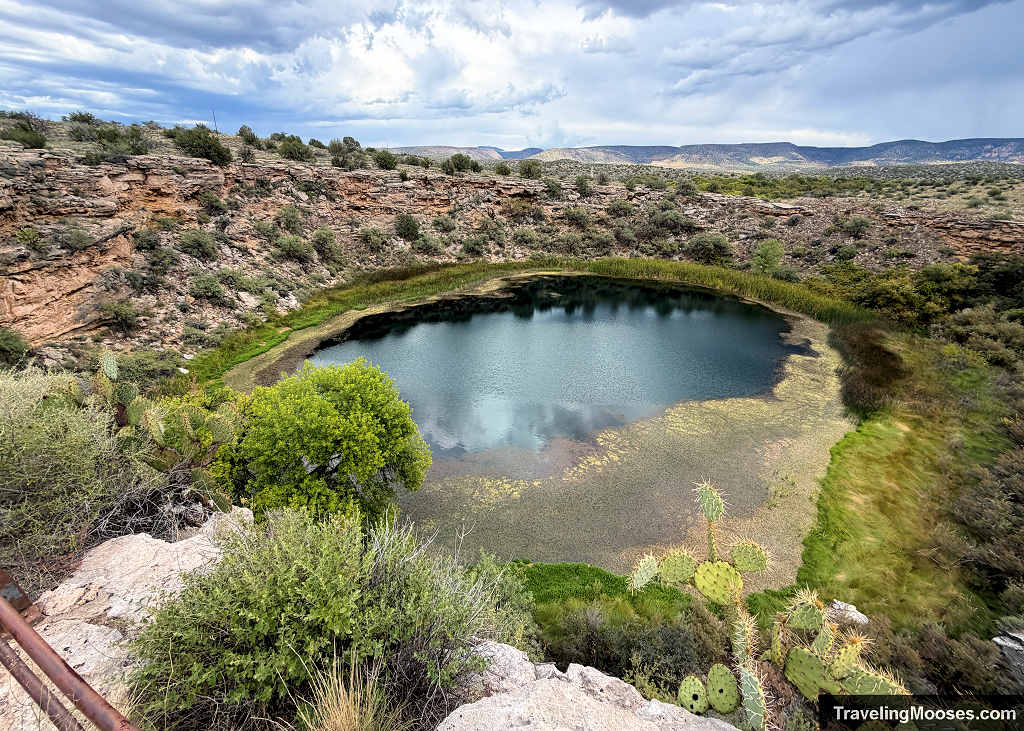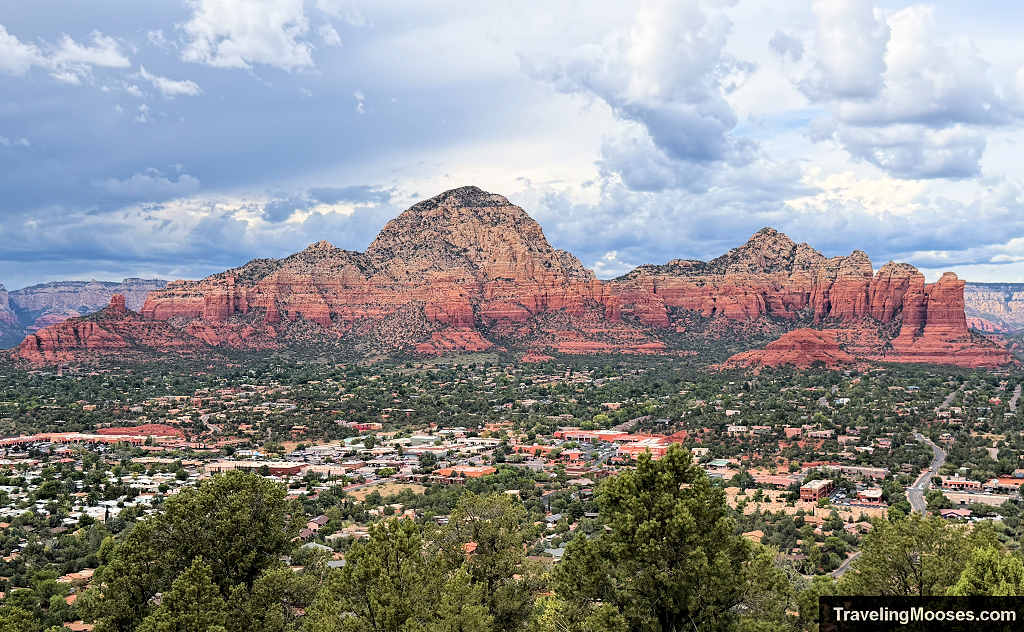
Sedona is defined by towering red sandstone formations, high desert air, and an extensive network of trails. If you prefer lush alpine forests or open grassy plains, the dry desert terrain might not be your style. But if you want rugged day hikes, creek crossings, and dramatic landscapes, this is one of the premier outdoor destinations in the Southwest.
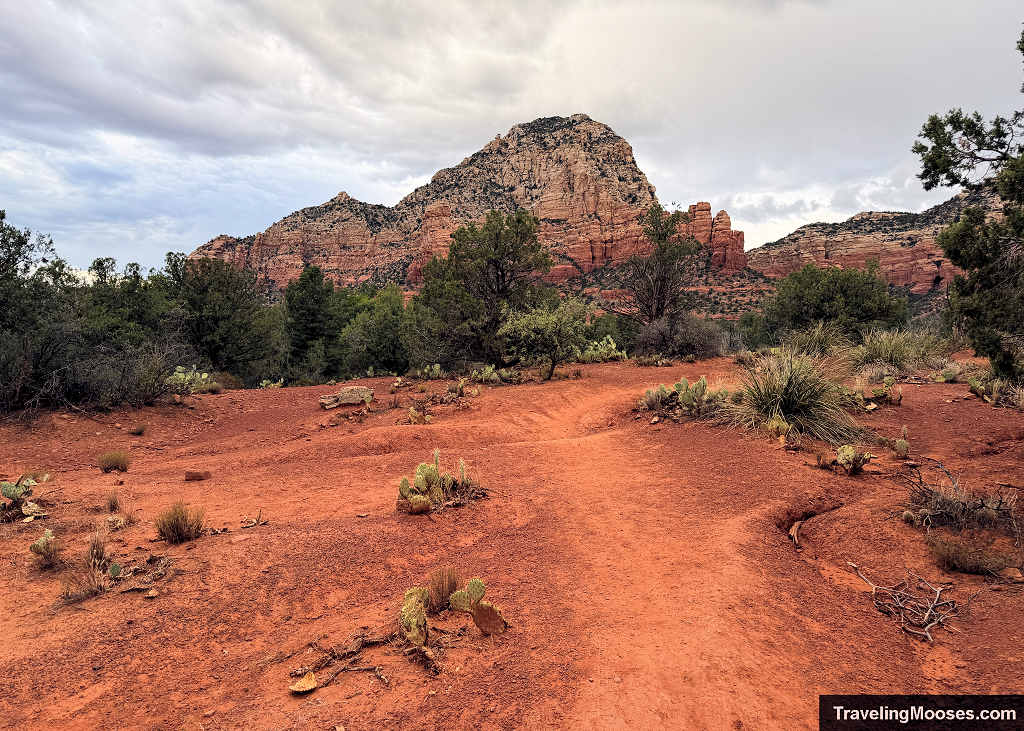
Use this guide to plan your spring or fall trip, navigate the best spots in and around town, and decide if Sedona fits your travel style.
Quick Takeaways
- Trail access right from town: You do not need to drive an hour into the backcountry to reach trailheads. Major formations like Bell Rock, Cathedral Rock, and Boynton Canyon sit directly on the perimeter of local neighborhoods.
- Firm footing on natural stone: Hiking here generally involves solid, grippy sandstone, natural rock ledges, and steady elevation gains rather than loose scree or muddy forest tracks. Trekking poles are useful for stability on steeper descents.
- Trailhead parking requires a strategy: The biggest challenge in Sedona is vehicle access. Lots at primary trailheads are small and routinely fill before 7:00 AM during peak weeks. The city runs free public shuttles to several top trailheads Thursday through Sunday, and certain lots are closed to private vehicles while the shuttles operate.
- Two distinct town corridors: The town divides into Uptown Sedona, which caters heavily to walk-in tourism and souvenir shops, and West Sedona, which serves as the practical base with grocery stores, quiet residential access, and local dining.
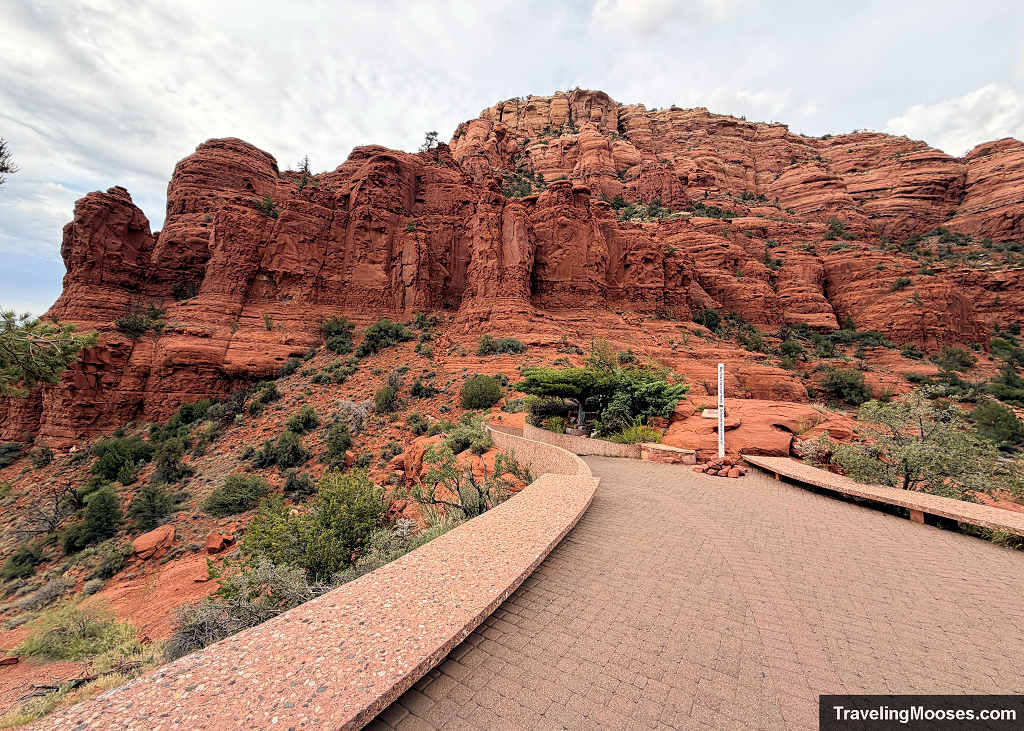
Who Will Enjoy Sedona
- Hikers who like rock scrambles and canyon walks: The trail system caters to a wide range of skill levels. You can choose flat trails skirting the base of the buttes, moderate walks up shaded canyons, or routes that require scrambling up steep rock shelves and ledges.
- Self-guided road trippers: The region is straightforward to navigate by car. Scenic corridors like Highway 179 and the Red Rock Scenic Byway provide direct views of iconic formations right from the road.
- Travelers looking for easy day trips: Sedona sits within easy striking distance of diverse day destinations. You can drive 45 minutes north up Oak Creek Canyon to reach the higher elevation ponderosa pines of Flagstaff, head southwest to the hillside mining town of Jerome, or explore ancient cliff dwellings at Montezuma Castle and Tuzigoot National Monuments.
- Visitors who appreciate low-key evenings: Sedona runs on an early schedule. If you prefer finishing your hike, making dinner, and turning in early for a sunrise start, the town pace matches your routine.
What Might Frustrate You
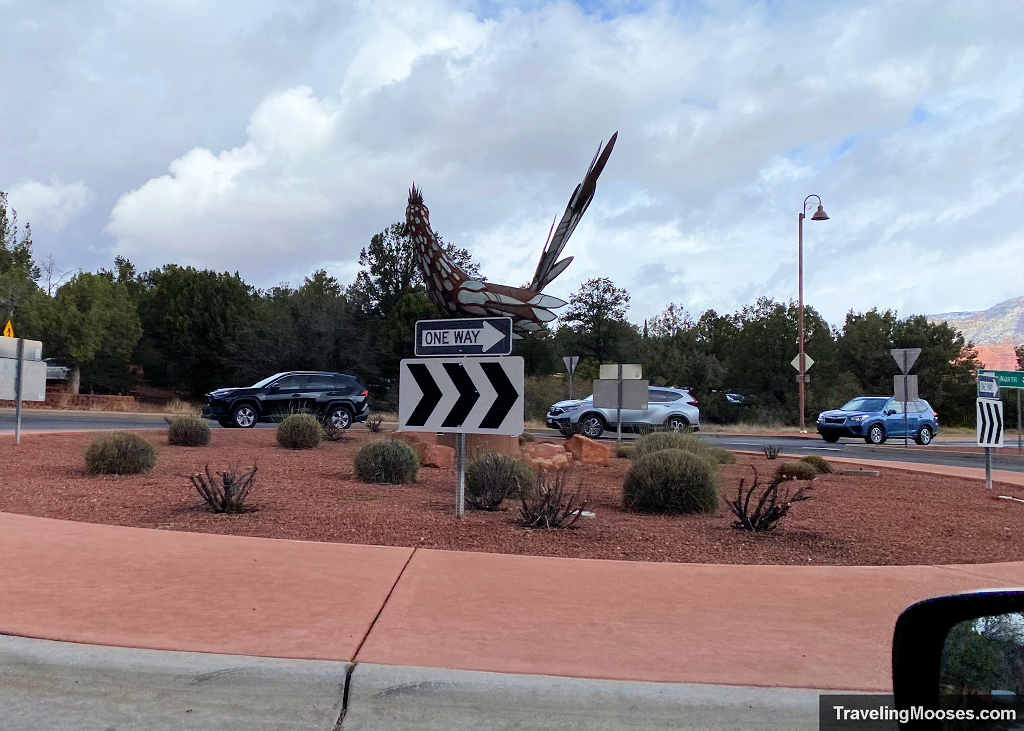
- Severe road and parking bottlenecks: With only Highway 89A and Highway 179 moving traffic through town, roundabouts clog up quickly by midday. Trailhead lots fill fast, and missing a pre-7:00 AM start or the shuttle window often means abandoning your planned hike for the day.
- Long lines at famous viewpoints: Signature destinations like Devil’s Bridge bring significant crowds. Expect congested trails and an orderly queue of hikers waiting for photos at natural arches and rock ledges.
- Intense sun on open rock: Low desert scrub provides virtually no overhead shade on bare rock routes. The rock holds and radiates ambient heat which makes hiking more difficult and potentially deadly on the wrong day.
- Steep seasonal prices and pass requirements: Lodging costs peak sharply in spring and fall. Beyond room rates, factor in daily or weekly Red Rock parking passes if you do not already carry an America the Beautiful pass.
- Early commercial shutdowns: The town shuts down early. Most restaurant kitchens close by 8:30 or 9:00 PM, making a sit-down meal difficult if you linger on trail past sunset.
Map of Adventures
Here’s a quick overview of the major hikes, overlooks, and activities around Sedona. Click any pin for photos, details, and more information.
When to Visit Sedona
| Season | What to Expect | Notes* |
| Spring | Prime hiking conditions, comfortable temperatures, and desert wildflowers in bloom | Peak tourist season; trailheads and town roads are at maximum capacity, and lodging rates are at their highest. |
| Fall | Mild daytime temperatures, cool evenings, and vibrant fall foliage along Oak Creek | The most stable hiking weather of the year; crowds remain high through October and November. |
| Winter | Crisp mountain air, occasional snow on the upper red rock rims, and thinner crowds | Cold mornings often warm into pleasant afternoon hiking weather; high-elevation trails can have icy patches. |
| Summer | Intense daytime heat radiating off the rock, creek swimming, and afternoon monsoon storms | Highs frequently exceed 95 degrees; July through September brings heavy afternoon thunderstorms, lightning hazards on exposed rock, and canyon flash flood risks. Early morning trail starts are mandatory. |
Where to Stay and Eat in Sedona
Lodging Options
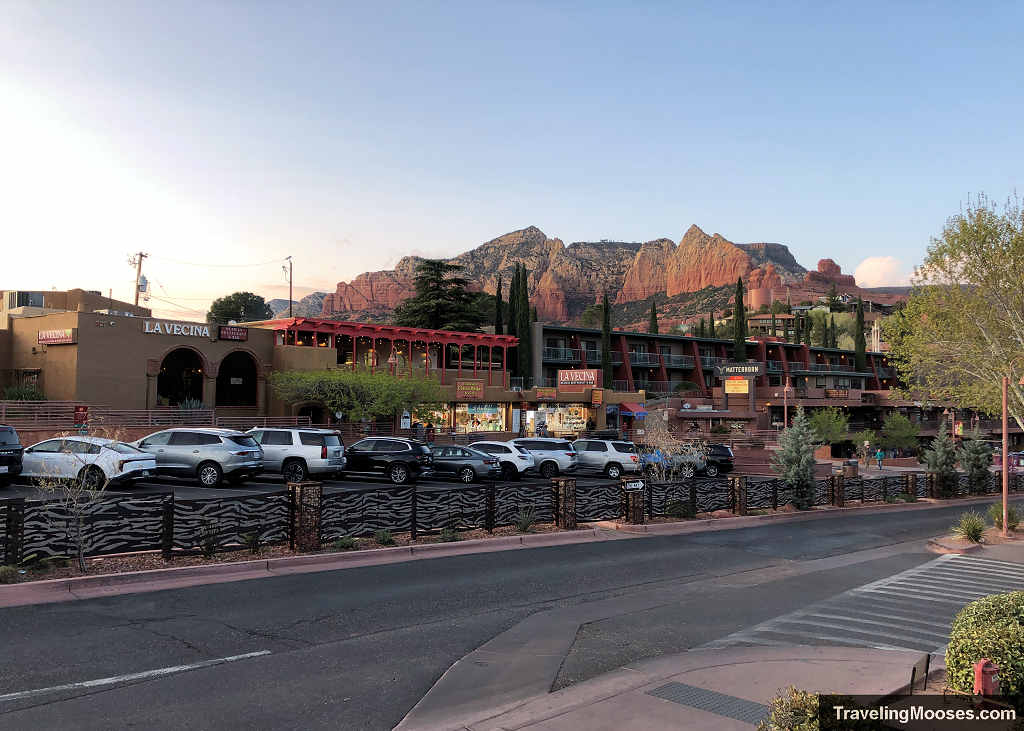
Sedona offers a mix of vacation home rentals, boutique inns, and high-end canyon resorts. Having a full kitchen is a massive advantage here, especially if you want to pack trail lunches, eat on your own schedule after long days on the rock, and avoid the nightly dinner rush. Booking a rental home with a kitchen lets you prep ahead, keep recovery meals ready in the freezer, and dodge the steep dining prices in town.
Best Location (Our Pick)
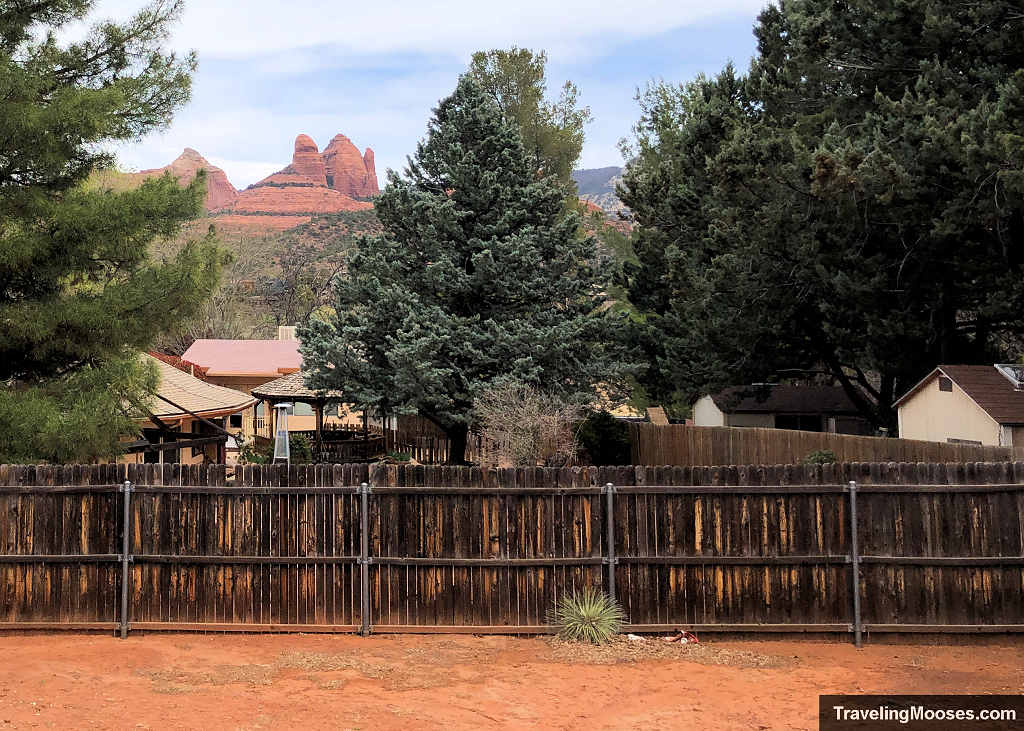
West Sedona is easily the most practical place to stay for an active trip. While Uptown Sedona caters to walk-in bus tours and souvenir shopping, West Sedona gives you quick access to neighborhood trailheads, local restaurants, grocery stores, and the main park-and-ride shuttle lots. Staying on the west side of town keeps you out of the worst roundabout gridlock and eliminates the headache of fighting for parking just to grab dinner or run errands.
Need help narrowing down a base? We broke down the pros and cons of West Sedona, Uptown, and the Village of Oak Creek in our Where to Stay in Sedona Guide.
Dining Scene
Sedona’s food culture leans heavily toward casual southwestern fare, wood-fired pizza, and patio dining designed to showcase the views. After hours on dusty trails, casual outdoor seating is easy to find, but kitchen hours are surprisingly short. Most restaurants stop seating early between 8:00 PM and 9:00 PM, and popular spots routinely see long waits on weekends. Making early reservations or cooking back at your rental is the best way to keep your schedule on track.

Elote Cafe Reservation Tip: If you want to eat at the famous Elote Cafe, plan far in advance. They require reservations and open booking windows up to 60 days ahead. Tables routinely book solid within minutes of release, so do not wait until you arrive in town to secure a spot.
Groceries & Supplies
Unlike remote desert outposts, West Sedona has full-scale grocery stores right along Highway 89A. You will find a large Safeway, Whole Foods Market, and Natural Grocers all within a couple of miles of each other. Stocking up on water, produce, and trail staples on your first afternoon will save you valuable morning daylight when you need to be out the door before sunrise.
Final Thoughts on Planning a Sedona Trip
Sedona delivers on dramatic views, but it is an all-or-nothing destination. Unlike multi-faceted mountain towns where you can spend an afternoon browsing riverside parks, strolling distinct neighborhoods, or casually biking around, Sedona does not offer much in the way of low-key filler activities. Outside of early morning hikes, the options quickly narrow to browsing tourist shops in Uptown or paying for commercial jeep tours.
If you go in with that understanding, keep your daily plan simple, and hit the trails at sunrise before the lots fill, the scenery alone makes a short trip worthwhile. Focus your energy on a handful of solid morning routes, give yourself plenty of patience for the afternoon traffic, and treat Sedona as a focused outdoor mission rather than an open-ended vacation.